Household appliances make everyday tasks faster and easier, but even reliable machines can develop problems over time. From washing machines that stop draining to ovens that no longer heat properly, recognising the warning signs can help prevent further damage and costly replacements.
Some issues have simple causes, while others require professional domestic appliance repairs. This guide explains the most common household appliance faults and what you should do when they occur, ensuring efficient repairs by an expert team.
A washing machine that will not drain may leave water inside the drum or stop before completing its cycle. Common causes include:
You can check the filter and visible drainage hose by following the manufacturer’s instructions. If the problem continues, professional washing machine repairs by an experienced engineer may be required to inspect the pump and internal components across different washing machine models.
Washing machine not draining? Arrange a professional inspection with our friendly team.
Some noise during a wash or spin cycle is normal, but sudden banging, grinding or scraping should not be ignored.
Banging may be caused by an uneven load or an appliance that is not level. Grinding and scraping sounds could indicate worn bearings, a damaged drum component or an object trapped inside the machine.
Remove the laundry and check the drum for visible objects. If the noise returns during the next cycle, stop using the appliance and arrange affordable repair services.
If your tumble dryer turns but does not produce heat, clothing may remain wet even after a complete cycle.
Possible causes include:
Begin by cleaning the lint filter and checking any accessible vents. Blocked airflow can affect performance and may create a fire risk, so regular cleaning is essential.
If the dryer still does not heat, it should be inspected by a specialist technician, who can check the machine, carry spare parts where possible, and use genuine manufacturer-recommended parts to improve repair durability.
Get your tumble dryer working properly again. Contact our expert team.
A tumble dryer that takes longer than usual may be using more electricity with every cycle. This can increase household energy bills and place additional strain on the machine.
The problem may be caused by an overloaded drum, blocked lint filter, restricted ventilation or a component that is no longer working efficiently.
Clean the filter after every use and avoid overloading the appliance. If drying times remain unusually long, arranging appliance repairs in Bristol and surrounding areas could help restore performance.
Standing water at the bottom of a dishwasher usually indicates a drainage problem. Food debris, grease or broken glass may be blocking the filter, while the drainage hose could be twisted or obstructed.
Turn off the appliance before carefully inspecting and cleaning the filter. Avoid reaching into standing water without checking for broken glass or other sharp objects.
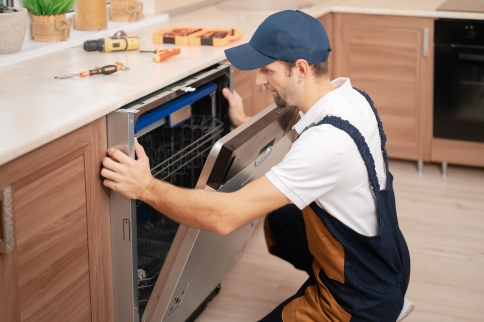
If the blockage is not visible or the dishwasher still fails to drain, the pump or another internal component may need professional dishwasher repairs by a local engineer.
Dishwasher causing problems? Book an appliance repair today.
Plates, glasses and cutlery should come out clean at the end of a cycle. Poor washing results may be caused by:
Clean the filter and spray arms, then check that items are not blocking the movement of the arms. If the water is not heating or the problem happens repeatedly, a faulty kitchen appliance may need a professional diagnosis.
An oven that switches on but does not heat may have a faulty element, thermostat, temperature sensor or electrical connection.
In a fan oven, a visibly damaged heating element may be responsible. However, electrical faults should never be investigated without the correct knowledge and equipment.
Avoid dismantling the appliance yourself. Experienced engineers can identify the failed component safely and determine whether the oven can be restored.
Oven not heating? Speak to an experienced repair technician.
Uneven cooking can leave food burnt on one side and undercooked on the other. The problem may relate to the fan, heating element, thermostat or door seal.
Before arranging a repair, check that trays and cookware are positioned correctly and are not blocking airflow. You should also inspect the door seal for obvious damage. The same issue can affect cooker hobs and cooker hoods if heat is not circulating properly.
If the fault continues across different temperatures and cooking settings, the appliance should be professionally inspected.
A fridge that is not maintaining the correct temperature can cause food to spoil and increase energy consumption.
Common reasons include:
Check the temperature setting and make sure food is not blocking the internal vents. Clean around the door seal and confirm that the door closes properly.
If the appliance remains too warm, arrange appliance repairs promptly to avoid further food waste.
Protect your food and your appliance. Arrange a professional repair with a guaranteed service.
Some frost inside a freezer is normal, but heavy or rapid ice build-up may indicate a problem.
A damaged door seal can allow warm air to enter the appliance, while a fault within the automatic defrost system may prevent ice from melting correctly. Frequently leaving the door open can also contribute to the problem.
Defrosting the appliance may provide a temporary solution, but repeated ice build-up should be investigated professionally.
Leaks can affect washing machines, dishwashers, fridge-freezers and other water-connected appliances. Possible causes include loose hoses, damaged seals, blocked drainage systems or faulty internal components.
If you discover a leak, switch off the appliance and isolate the water supply when it is safe to do so. Do not continue using the machine until the source of the water has been identified.
Acting quickly can reduce the risk of damage to flooring, cabinets and nearby electrical equipment.
Do not ignore an appliance leak. Contact our affordable repair services team.
An appliance that repeatedly trips a fuse or circuit breaker may have a serious electrical fault. The issue could involve damaged wiring, moisture reaching electrical components or a failed heating element.
Do not repeatedly reset the power and continue using the appliance. Unplug it if this can be done safely and arrange a professional inspection.
Gas appliance repairs should always be completed by a specialist with the appropriate knowledge and experience.
Many modern appliances display error codes when they detect a problem. These codes can relate to drainage, water supply, temperature, door locks, sensors or electrical components.
Consult the manufacturer’s manual to understand what the code means. Switching the appliance off and restarting it may clear a temporary issue, but repeated error messages usually indicate an underlying fault.
Write down the error code before contacting a repair service, as it may help the technician prepare before the visit.
You should arrange professional support when:
Early investigation may also improve the chance of resolving the issue on the first visit before it becomes more serious.
NEA Appliances, trading locally as bristol appliance repairs and established in 2017, provides professional appliance repairs in Bristol and surrounding areas, including washing machines, dishwashers, and ovens, helping local customers identify faults and restore their essential appliances. When choosing a repair service, focus on transparent pricing and technician credentials, check independent reviews for reliability and customer service, and ask about warranties covering both labour and parts.
Need appliance repairs in Bristol or London? Contact NEA Appliances today for same day or next day appointments.
It depends on the fault, but you should stop using an appliance that is leaking, overheating, producing a burning smell or repeatedly tripping the electrics. Arrange a professional inspection before switching it on again.
You may be able to complete basic maintenance such as cleaning filters or checking visible hoses. Internal, electrical and component-related appliance repairs should be left to a professional expert team.
Unusual noise may be caused by an uneven load, trapped object, worn bearing, damaged motor or another moving component. If repositioning the appliance or adjusting the load does not help, book an inspection.
This depends on the appliance’s age, general condition, efficiency and repair cost. A technician can diagnose the fault and help you decide whether repair or replacement offers better value, considering warranty status and guarantee options.
Follow the manufacturer’s instructions, avoid overloading machines, clean filters regularly and respond quickly to changes in performance. Routine maintenance can reduce strain and help appliances last longer. If a fault does appear, same day and next day appointments can help limit disruption and provide excellent service.